
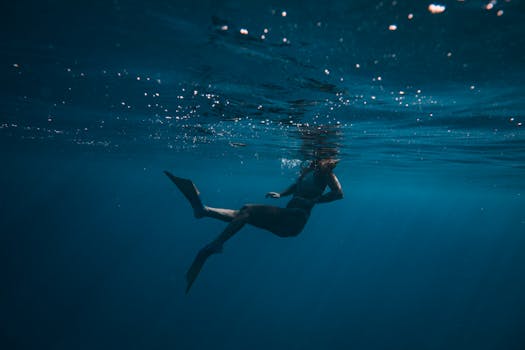

I remember my first “real” dive. It wasn’t in a pool; it was off the coast of a tiny Thai island, the water impossibly clear, and suddenly, I was an alien in a vibrant, bustling metropolis of coral and finned inhabitants. That feeling, that pure wonder, is what we’re chasing when we look for the top places for scuba diving. It’s more than just ticking off locations; it’s about experiencing the profound connection to a world so different from our own, a silent ballet of life unfolding beneath the waves. Forget the generic lists; let’s talk about the destinations that truly sing to the soul of a diver, the places that promise not just a dive, but an unforgettable odyssey.
Why Certain Waters Call to Us
What elevates a dive site from “nice” to “must-see”? It’s a blend of things, really. Of course, visibility plays a huge role – who doesn’t want to see as far as possible into that blue? Then there’s the sheer biodiversity. Imagine swimming through a kaleidoscope of fish, encountering gentle giants, or exploring intricate reef structures teeming with life. And let’s not forget the historical or geological marvels: shipwrecks whispering tales of the past, or dramatic underwater canyons carved by time. These are the elements that turn a good dive into a truly epic adventure.
Where the Ocean Unveils Its Masterpieces
When we talk about the top places for scuba diving, we’re usually talking about destinations that offer a bit of everything, or something exceptionally unique that draws divers from across the globe. These aren’t just pretty reefs; they are living, breathing ecosystems, often with conservation efforts that ensure their magic endures.
#### The Red Sea: A Gem of the Middle East
Egypt’s Red Sea coast is, frankly, legendary. Think vibrant coral gardens, walls that drop into the abyss, and an almost unbelievable array of marine life. It’s a classic for a reason, offering incredible accessibility for divers of all levels.
Ras Mohammed National Park (Egypt): This is often considered the crown jewel. Sites like “Shark Reef” and “Yolanda Reef” are famous for their dramatic drop-offs, schooling fish, and the occasional shark sighting (hence the name!). You’ll find everything from tiny nudibranchs to majestic Napoleon wrasse.
The Brothers Islands (Egypt): For the more adventurous, these remote islands are a pelagic paradise. Currents can be strong, but the reward is seeing hammerheads, thresher sharks, and oceanic whitetip sharks in their natural element. The sunken wrecks here are also incredibly well-preserved.
Dahab (Egypt): Known for its shore diving, Dahab offers the iconic “Blue Hole,” a natural sinkhole that’s a rite of passage for many divers, and the “Canyon,” a spectacular underwater fissure.
#### Palau: Pristine Paradise in Micronesia
If you’re dreaming of untouched reefs and an astonishing density of marine life, Palau needs to be on your radar. It’s an archipelago of over 500 islands, and much of its underwater territory is protected, leading to truly spectacular diving.
Blue Corner, Palau: This is arguably one of the most famous dive sites in the world. Strong currents bring in a buffet of pelagic species – sharks, barracuda, tuna, and manta rays often congregate here. You’ll tie into a bommie and just let the ocean do the work, observing the incredible underwater traffic jam.
German Channel: Famous for its manta ray cleaning stations, this is another spot where you can witness these graceful giants up close. It’s a truly humbling experience.
Jellyfish Lake: While not a traditional scuba dive (you snorkel here), it’s an absolutely unique experience. Millions of stingless jellyfish pulse through the water, creating an otherworldly phenomenon.
#### The Galapagos Islands: Darwin’s Underwater Laboratory
This isn’t your typical warm-water, bikini-clad dive destination. The Galapagos are rugged, remote, and boast cool, nutrient-rich waters that support a unique and abundant ecosystem. It’s a place for serious divers seeking encounters with marine iguanas, sea lions, and, of course, sharks.
Gordon Rocks: A volcanic caldera that’s a magnet for marine life, including Galapagos sharks, hammerheads, and sea lions. The currents can be challenging, making it best for experienced divers.
Wolf Island and Darwin Island: These northern islands are the stuff of legend for shark lovers. Expect to see schooling hammerheads, Galapagos sharks, whale sharks (seasonally), and manta rays. The sheer density of life is staggering. It’s a challenging dive, but the rewards are unparalleled.
#### Raja Ampat, Indonesia: The Coral Triangle’s Crown Jewel
Often hailed as the epicenter of marine biodiversity on Earth, Raja Ampat in West Papua, Indonesia, is an absolute must-visit for any serious diver. The sheer variety of coral species and fish life here is mind-boggling.
Cape Kri: Home to one of the highest fish counts ever recorded, this is a vibrant reef bursting with activity. You’ll see schools of barracuda, jacks, and a dizzying array of reef fish.
Misool: Known for its stunning karst topography above and below the water, Misool offers incredible soft corals and a chance to spot manta rays and pygmy seahorses.
Diving with Manta Rays: Raja Ampat is renowned for its manta ray populations, with several cleaning stations where you can witness these majestic creatures glide through the water.
Planning Your Next Underwater Expedition
Choosing the top places for scuba diving is just the first step. Here are a few things I always keep in mind when planning my own adventures:
Certification Level: Some sites, particularly those with strong currents or deeper depths, require advanced open water certification or even divemaster/instructor levels. Always be honest about your experience and choose sites that match your comfort zone.
Time of Year: Marine life patterns and visibility can vary significantly depending on the season. Do your research! For example, whale shark season in some areas is very specific.
Logistics: Getting to some of these remote locations can involve multiple flights and boat transfers. Factor in travel time and costs. Liveaboard dive boats are often the best way to experience places like Raja Ampat or the Galapagos.
Conservation: Always dive responsibly. Avoid touching coral, never feed the fish, and support operators who demonstrate a commitment to marine conservation. It’s our duty to protect these incredible environments for future generations.
The Unseen World Awaits
The allure of exploring underwater realms is a powerful one. It’s a chance to disconnect from the everyday and immerse ourselves in a world of unparalleled beauty and tranquility. These top places for scuba diving* offer not just incredible marine life and breathtaking scenery, but a profound sense of connection to our planet.
So, what underwater marvel will you explore next?