
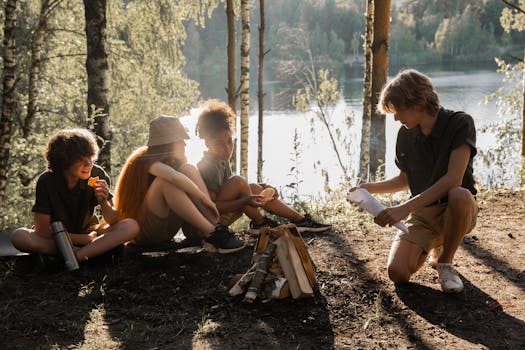

Remember that feeling? The one where you finally escape the relentless hum of daily life, the one that settles in when the only sound is the wind whispering through pine needles, or the rhythmic crunch of your boots on a trail? It’s a powerful reset button. But finding that perfect spot – the one that offers not just a pretty view, but a genuine connection with nature – can feel like searching for a needle in a haystack. Forget the overcrowded national park campgrounds and the same old Instagram backdrops. Let’s talk about finding places that truly resonate, places that offer a richer, more personal wilderness experience. This isn’t just about listing destinations; it’s about equipping you to find your own best places for camping and hiking, wherever that may be.
Where Solitude Meets Scenic Majesty
The allure of wild spaces often hinges on a delicate balance between accessibility and the feeling of being truly removed. While popular parks have their merits, seeking out less-trafficked areas often unlocks a deeper sense of peace and a more intimate encounter with the natural world. I’ve often found that the most memorable trips come from venturing just a little off the beaten path.
Seeking State Parks and National Forests:
These vast public lands often boast incredible hiking and camping opportunities that fly under the radar compared to their more famous counterparts.
State Parks: Many states have hidden gems with diverse landscapes, from rugged coastlines to serene mountain ranges. They’re often well-maintained but receive fewer visitors.
National Forests: These are enormous tracts of land managed by the U.S. Forest Service, offering countless dispersed camping opportunities (camping outside of designated campgrounds) and a network of trails that cater to all skill levels. Remember to research regulations for dispersed camping in your chosen area – it’s usually free, but permits or fire restrictions might apply.
Consider BLM Land (Bureau of Land Management):
These lands, primarily in the western U.S., are another fantastic source for primitive camping and exploration. They often require more self-sufficiency, but the rewards in terms of solitude and unique geological features are immense.
Crafting a Trail That Tells Your Story
The “best” hiking isn’t just about reaching a summit; it’s about the journey. It’s about what you discover along the way, the challenges you overcome, and the moments of quiet reflection. When planning your hikes, think about what you want from the experience.
Choosing Your Adventure Type:
Day Hikes: Perfect for a quick dose of nature or exploring a new area without the commitment of overnight camping. Look for trails with varied terrain and interesting points of interest like waterfalls, historical markers, or unique flora.
Overnight Backpacking Trips: This is where true immersion begins. For these, you’ll want to consider trail length, elevation gain, and the availability of reliable water sources. Planning for backpacking means packing smart and understanding Leave No Trace principles like the back of your hand.
Loop vs. Out-and-Back: Loops offer fresh scenery with every step, avoiding retracing your path. Out-and-backs are simpler to navigate and allow you to easily adjust your turnaround point if needed.
What to Look for in a Trail:
Elevation Change: Do you want a gentle stroll or a thigh-burning ascent?
Trail Conditions: Is it well-maintained, or are you prepared for rugged, unmarked paths?
Scenery: Are you after alpine lakes, dense forests, desert vistas, or coastal cliffs?
Permit Requirements: Some popular or sensitive trails require permits, so always check in advance.
Setting Up Your Wilderness Basecamp: Beyond the Crowds
Camping is more than just pitching a tent; it’s about creating a temporary home in nature. The “best places” for camping often offer a combination of natural beauty and practical considerations for a comfortable stay.
Dispersed Camping: The Ultimate Solitude:
As mentioned, camping on undeveloped public lands (National Forests and BLM land) is a game-changer for avoiding crowds. This type of camping typically involves:
No amenities: You are responsible for bringing everything you need, including water and packing out all trash.
Finding a spot: Look for existing, previously used sites to minimize your impact. Avoid setting up too close to water sources.
Fire safety: Always check current fire restrictions. If fires are permitted, use existing fire rings and ensure they are completely extinguished.
Campgrounds with Character:
If you prefer amenities or need a more established base, don’t dismiss all campgrounds.
Smaller, independent campgrounds: These can offer a more personal feel than large, commercial operations.
Campgrounds near less-visited trailheads: Look for campgrounds that are a gateway to more remote hiking areas.
Campgrounds with unique features: Some offer incredible views, unique geological formations, or proximity to rivers for kayaking or fishing.
Essential Gear for Your Next Expedition
The right gear can elevate your trip from merely surviving to truly thriving in the outdoors. It’s an investment in comfort, safety, and enjoyment. When we talk about the best places for camping and hiking, the gear we bring directly impacts our ability to appreciate them.
The Core Essentials:
Shelter: A reliable tent that can withstand the expected weather conditions.
Sleeping System: A warm sleeping bag and a comfortable sleeping pad are crucial for a good night’s sleep.
Navigation: Map and compass (and know how to use them!), or a GPS device/app. Don’t rely solely on your phone, as service can be spotty.
Water: A purification system (filter, tablets) and enough capacity to carry water between sources.
Food: Lightweight, high-energy food, and a way to prepare it (stove, fuel).
First-Aid Kit: Comprehensive and tailored to the length and remoteness of your trip.
Illumination: Headlamp or flashlight with extra batteries.
Sun Protection: Sunscreen, hat, sunglasses.
Insulation: Layers of clothing to adapt to changing temperatures.
Pro-Tip: Invest in quality gear that lasts. A good backpack, durable hiking boots, and a waterproof jacket are worth every penny. Consider renting specialized gear before committing to a purchase if you’re trying something new.
Cultivating a Mindset for Wild Exploration
Finding the best places for camping and hiking isn’t just about logistics; it’s about developing a mindset that embraces the wild. It’s about respecting the environment and approaching your adventures with curiosity and preparedness.
Embrace the Unexpected: Nature rarely sticks to a schedule. Be flexible, adapt your plans, and learn to find beauty even when things don’t go exactly as planned. A sudden rain shower can make for a cozy afternoon in the tent, and a missed turn can lead to an unexpected, stunning vista.
Practice Leave No Trace: This is non-negotiable. Understanding and practicing the seven principles of Leave No Trace ensures that these beautiful places remain pristine for future generations. Pack it in, pack it out. Stay on trails. Respect wildlife. Minimize campfire impacts.
Connect with Local Resources: Before you go, research local outdoor gear shops, ranger stations, and online forums. Locals often have the best, most up-to-date information on trail conditions, wildlife sightings, and hidden spots.
Wrapping Up
The quest for the best places for camping and hiking is a lifelong adventure, and it’s as much about the journey of discovery as it is about the destination itself. Don’t be afraid to deviate from the well-trodden path; often, the most profound experiences are found where the crowds thin out.
Your Actionable Step: Before your next trip, identify one state park or national forest within a few hours’ drive that you’ve never visited. Research its trail maps and look for areas designated for dispersed camping or less popular campgrounds. This proactive step will push you beyond your comfort zone and introduce you to a new wilderness sanctuary.