
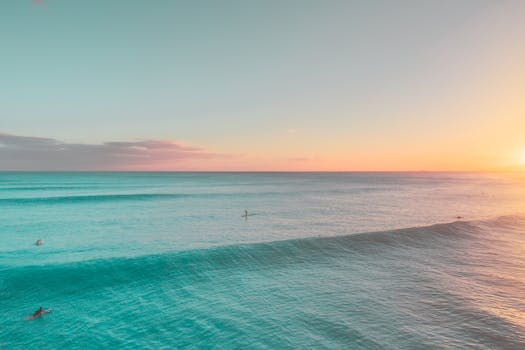

Ever watched surfers glide across the water and thought, “I could do that”? The ocean’s pull is undeniable, but the idea of tackling those waves can be daunting. If you’re ready to trade spectator status for wave rider, the good news is that the world is brimming with incredible surfing destinations for beginners. It’s not about finding the biggest waves; it’s about finding the right waves and the right environment to learn safely and effectively. Let’s cut through the noise and get you paddling out.
What Makes a “Beginner-Friendly” Surf Spot?
Not all beaches are created equal when it comes to learning to surf. As a beginner, you’re looking for specific conditions that foster learning and minimize risk. Forget the gnarly breaks you see in magazines – those are for seasoned pros. For you, the ideal spot will offer:
Gentle, Rolling Waves: Think “whitewater” – the foamy stuff that’s already broken. These waves have less power and are far more forgiving. You want waves that push you, not punch you.
Sandy Bottoms: This is a non-negotiable. Reef breaks or rocky shorelines are a recipe for injury when you’re still figuring out balance and board control. Sand is soft and much kinder to accidental tumbles.
Consistent, Predictable Conditions: You don’t want a surprise monster wave rolling in while you’re still trying to stand up. Predictable swells mean you can focus on your technique without constant anxiety.
Safe Entry and Exit Points: Access to the water should be straightforward. Steep drop-offs or strong currents near the shore can be hazardous for beginners.
Crowd Management: While you’ll inevitably share waves, a spot that isn’t overloaded with experienced surfers can make a huge difference. Less competition for waves and more space to practice is key.
Top Picks: Surfing Destinations for Beginners Around the Globe
When I first started recommending surfing destinations for beginners, the list was much shorter. Now, thankfully, there are fantastic options worldwide, catering to different budgets and travel styles. Here are a few that consistently deliver for newcomers:
#### The Golden Coast: Australia’s Beginner Paradises
Australia boasts an incredible coastline, and several spots are legendary for their beginner-friendliness.
Coolangatta (Queensland): Home to the iconic Kirra and Snapper Rocks, the southern end of Coolangatta offers incredibly mellow, peeling waves perfect for learning. The sheltered bays provide calm waters, and the local surf schools are top-notch. It’s a classic for a reason.
Lennox Head (New South Wales): Just south of Byron Bay, Lennox Head has a beautiful, wide beach with consistent, gentle waves. The vibe here is relaxed, and you’ll find plenty of surf schools and rental shops ready to equip you. It feels a bit more off the beaten path than Byron itself, which is often a plus for beginners.
Torquay (Victoria): While the Great Ocean Road is famous for its big waves, Torquay itself has several sheltered beaches like Jan Juc and Cosy Corner that offer protected bays with smaller, manageable swells, especially during the warmer months.
#### European Gems: Waves for Every European Wanderer
The European surf scene is booming, and you don’t need to head to the tropics for a good beginner experience.
Lagos (Algarve, Portugal): The Algarve region is a surf haven, and Lagos, with its stunning coves and beaches, is particularly great for learners. You’ll find spots like Praia da Batata and Meia Praia offering soft, rolling waves. The consistent sunshine and vibrant town make it an attractive destination.
Moliets-et-Maa (Southwest France): This part of the French coast is renowned for its long, sandy beaches and consistent waves. Moliets offers a more natural, less developed feel than some of its neighbors, and the waves here are often forgiving, breaking over a sandy bottom. Many surf camps are based here, offering structured learning.
El Palmar (Cadiz, Spain): On the Costa de la Luz, El Palmar is a surfer’s secret that’s quickly gaining recognition. It’s a wide, sandy beach with consistent, mellow waves. The Spanish culture here is infectious, and the surf schools are excellent. It’s a fantastic place to soak up the sun and learn to surf.
#### Tropical Bliss: Warm Waters and Gentle Rides
If sun, sand, and warm water are high on your priority list, these destinations are hard to beat for learning.
Waikiki (Oahu, Hawaii, USA): Yes, it’s famous, and yes, it can get crowded. However, the outer reefs of Waikiki offer some of the most iconic and gentle longboard waves in the world, perfect for absolute beginners. Numerous surf schools operate right on the beach, making it incredibly accessible.
Kuta Beach (Bali, Indonesia): Bali is a surf mecca, and Kuta Beach is its beginner-friendly heart. The waves here are typically soft, sandy-bottomed rollers that are ideal for learning the basics. It’s a lively area with plenty of surf schools and a buzzing atmosphere.
Popoyo (Nicaragua): While Popoyo has a reputation for some more advanced waves, its “beginners bay” offers protected waters with very gentle waves. It’s a more rustic and remote experience, which appeals to many, and the consistent warm weather makes it a year-round destination.
Beyond the Destination: Essential Gear and Etiquette
Choosing the right spot is only half the battle. To make your learning experience smooth and enjoyable, here are a few crucial points:
#### What to Bring (or Rent)
The Right Board: Forget those sleek shortboards for now. You’ll want a long, wide, and buoyant foam board (often called a “soft-top”). These are stable, forgiving, and make paddling and catching waves much easier. Most surf schools will provide these.
Rash Guard: Protect yourself from the sun and potential board rash. A long-sleeved rash guard is a lifesaver.
Sunscreen: High SPF, waterproof sunscreen is essential, especially for those long hours in the sun.
Leash: This connects you to your board, preventing it from washing away and becoming a hazard. It’s a safety essential.
#### Learning the Ropes: Surf Schools and Lessons
While you can try to teach yourself, I strongly advise taking at least a few lessons. A qualified instructor will:
Teach you ocean safety and etiquette.
Demonstrate proper paddling technique.
Help you understand wave selection.
Provide crucial feedback on your pop-up.
Ensure you’re in the safest part of the lineup.
The investment in lessons pays dividends in faster progress and safer surfing.
#### Understanding Surf Etiquette: Respecting the Lineup
Surfing has unwritten rules that are vital for everyone’s safety and enjoyment. Here are the basics:
Right of Way: The surfer closest to the peak (the breaking part of the wave) has priority. Don’t drop in on someone who’s already riding a wave.
One Surfer Per Wave: Generally, only one person should ride a single wave.
Paddling Out: Be aware of surfers riding waves and paddle around them, not through their path.
* Communicate: If you’re unsure, ask! Locals are usually happy to offer advice.
Your First Wave Awaits
Learning to surf is a journey, not a destination. It’s about embracing the process, the wipeouts, and the sheer joy of riding a wave. The surfing destinations for beginners mentioned above offer excellent starting points. They provide the right conditions, supportive environments, and opportunities to build your confidence in the water.
Final Thoughts: Embrace the Learning Curve
Don’t get discouraged by early struggles. Every single surfer you admire started exactly where you are now. Focus on having fun, respecting the ocean, and celebrating every small victory – whether it’s catching a bit of whitewater or managing a shaky stand-up. Your first successful ride will be etched in your memory forever.