
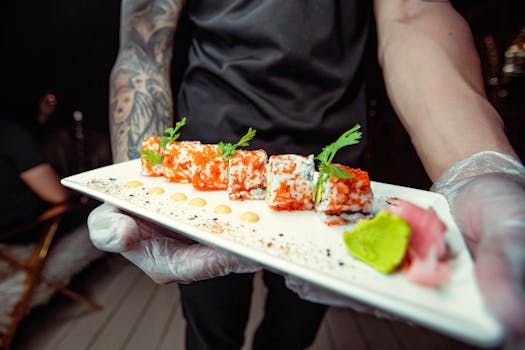

Did you know that an estimated 70% of global travelers cite food as a primary motivator for their trips? This statistic underscores a profound truth: our relationship with food transcends mere sustenance; it’s a deeply ingrained aspect of culture, identity, and human connection. When we talk about International food experiences, we’re not just discussing a fleeting taste of something exotic; we’re engaging with a complex tapestry of history, sociology, and personal growth. These experiences offer a unique lens through which to understand the world, fostering empathy, broadening perspectives, and enriching our very being in ways often underestimated.
More Than Just a Meal: The Cultural Immersion Quotient
Food acts as an immediate and accessible gateway into a new culture. It’s often the most comfortable entry point, preceding language barriers or intricate social customs. When you partake in a communal meal in a bustling Moroccan souk or savor hand-pulled noodles in a Taiwanese night market, you’re not just eating; you are participating.
Unpacking Tradition: Every dish tells a story, a narrative woven from local ingredients, historical trade routes, agricultural practices, and generations of culinary wisdom. Understanding why certain spices are used in Indian cuisine, or the significance of fermentation in Korean kimchi, provides invaluable cultural context.
Bridging Divides: Sharing food has a universal power to break down barriers. It fosters a sense of camaraderie and mutual respect, even between individuals with vastly different backgrounds. This simple act can humanize us to each other in a profound way.
Sensory Anthropology: The aromas, textures, and flavors encountered during international food experiences engage our senses on a primal level. This multisensory engagement creates more vivid and lasting memories than purely visual or auditory learning.
Cognitive Realignments: How Global Flavors Reshape Our Minds
The impact of engaging with diverse cuisines extends beyond cultural appreciation; it actively reshapes our cognitive frameworks. Our palates, much like our minds, can become accustomed to familiar patterns. Stepping outside these patterns is inherently stimulating.
Expanding Palate Diversity: Regularly encountering novel ingredients and preparation methods trains our taste buds to appreciate a wider spectrum of flavors. This isn’t just about acquiring a taste for the unfamiliar; it’s about developing a more nuanced understanding of flavor profiles and ingredient combinations. In my experience, this leads to a more adventurous approach to cooking and eating even after returning home.
Challenging Assumptions: What we consider “normal” or “delicious” is often a product of our upbringing. Experiencing dishes prepared with ingredients or techniques we might find unusual can challenge these ingrained assumptions, fostering open-mindedness.
Problem-Solving Through Food: Consider the ingenuity of cuisines born from scarcity or unique environmental conditions. Understanding how cultures have adapted to their surroundings through food preparation offers fascinating insights into human resilience and creativity.
The Social Fabric: Forging Connections Through Shared Plates
Beyond individual understanding, international food experiences are potent tools for fostering social connection, both locally and globally.
Building Global Communities: Food festivals, cooking classes, and even simply dining with locals during travels create opportunities for genuine human interaction. These shared moments can transcend tourist-and-host dynamics, leading to authentic connections.
Promoting Local Economies: By seeking out authentic local eateries and culinary traditions, travelers can directly support small businesses and preserve cultural heritage. This conscious consumerism has tangible benefits for communities.
Understanding Diaspora: The global spread of cuisines is often a story of migration. Exploring the food of a diaspora community in a new city offers a tangible connection to their heritage and a window into their journey. It’s fascinating to see how culinary traditions adapt and evolve in new environments.
Navigating the Gastronomic Frontier: Practical Considerations
Embarking on these culinary adventures requires a degree of preparation and an open mind. It’s not always about Michelin stars; often, the most rewarding experiences are found in humble settings.
Research is Key: Before traveling, a bit of research into local specialties and dining etiquette can significantly enhance the experience. Identifying key dishes or ingredients to try can guide exploration.
Embrace the Unexpected: Be prepared for flavors and textures that might be outside your comfort zone. Sometimes, the dishes you initially hesitate over become the most memorable.
Prioritize Authenticity: Seek out establishments frequented by locals. These are often where the most genuine and delicious food can be found. Don’t shy away from street food, provided it’s prepared hygienically.
* Engage with the Makers: If possible, interact with chefs, vendors, or home cooks. Their passion and knowledge can offer deeper insights into the food and its cultural significance. Learning about the sourcing of ingredients can also be incredibly illuminating.
Beyond the Plate: The Lasting Legacy of Culinary Exploration
The pursuit of International food experiences is far more than a gastronomic indulgence; it’s a pathway to deeper global understanding and personal enrichment. It’s an active engagement with the world, a recognition that our shared humanity is often best expressed through the universal language of food.
Ultimately, the most profound implication of international food experiences lies in their capacity to foster a more interconnected and empathetic world. By actively seeking out and appreciating the diverse culinary traditions that grace our planet, we not only expand our palates but also our minds and hearts, building bridges of understanding one delicious bite at a time.